
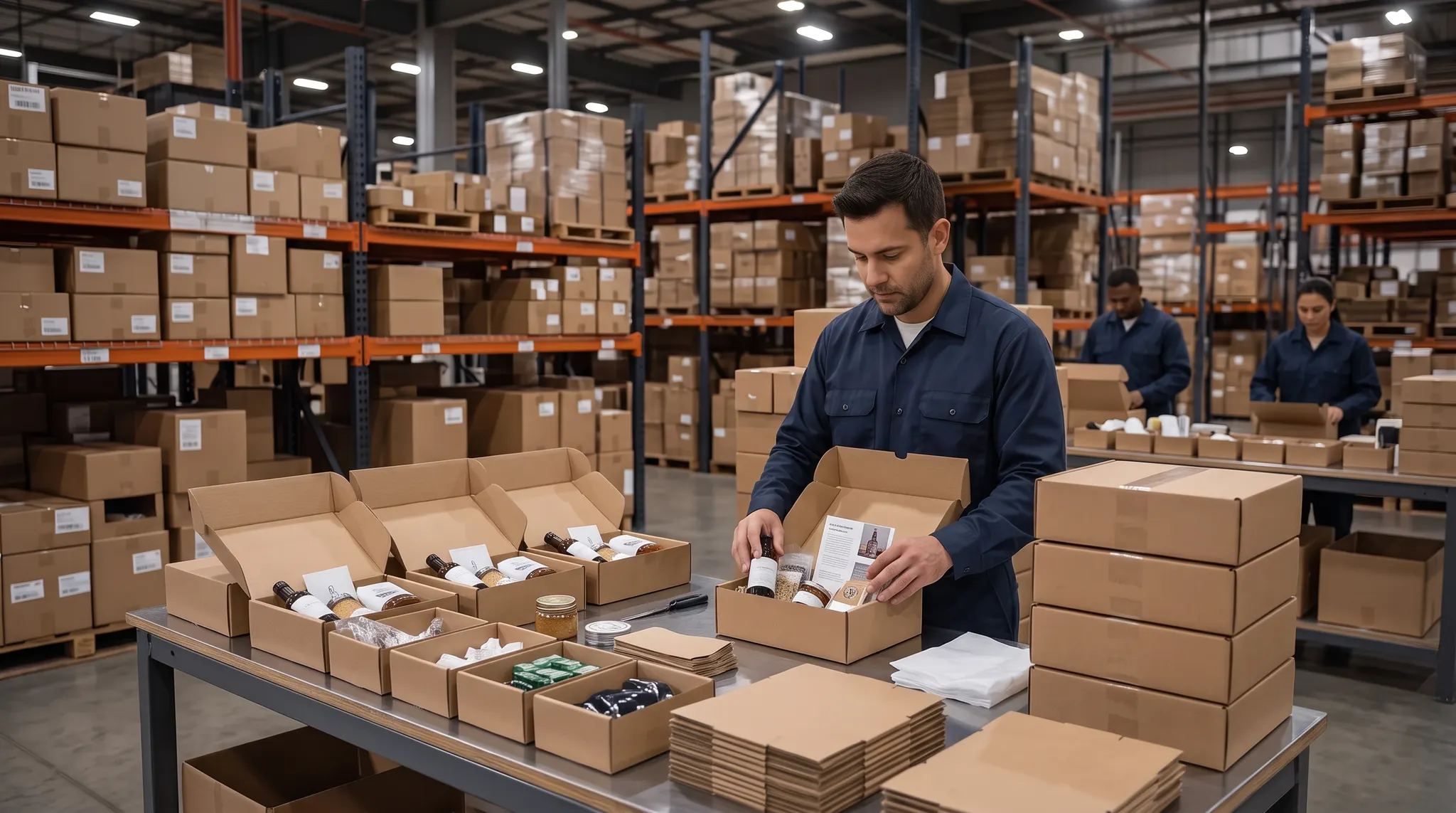
Kitting and assembly combines separate products or components into one finished, shipment-ready unit. Ecommerce brands use it for subscription boxes, multipacks, promotional bundles, retail displays, and products that must be assembled before fulfillment.
Outsourcing the work to a 3PL can remove repetitive receiving, sorting, assembly, inspection, storage, and packing tasks from your internal team. The important question is not simply whether a provider “does kitting.” It is whether the provider can document the build, control materials, catch discrepancies, and price the work clearly.
Note
A reliable kitting program starts with a written bill of materials, an approved sample, clear inspection points, and a process for handling missing or damaged components.
Kitting vs. Assembly: What's the Difference?
Kitting is the process of gathering separate products into one sellable or shipment-ready package. Kits are often built in batches so the finished unit is ready when an order arrives.
Assembly is the physical work required to organize, combine, fold, insert, seal, label, or otherwise finish the components inside that kit.
For example, a hair-care bundle may combine shampoo, conditioner, hair oil, and an insert in one retail box. Kitting defines which items belong together. Assembly is the repeatable process used to build the finished box.
Common Kitting and Assembly Use Cases
Subscription boxes
A subscription box combines several products into a recurring shipment. Components may arrive from different suppliers and need to be received, inspected, organized, and assembled before the monthly ship date.
Multipacks and variety packs
Brands often combine several flavors, colors, or sizes into one offer. A six-flavor beverage pack or mixed-SKU trial set is a common example.
Gift-with-purchase bundles
A gift-with-purchase promotion pairs a primary product with a sample, accessory, or small kit. The finished package must match the promotion exactly so customers receive the right combination.
Launch kits and influencer mailers
Product launches may require custom boxes, inserts, samples, and presentation standards. These projects need a documented build process and a final inspection before release.
Retail and training kits
Point-of-sale materials, media kits, healthcare enrollment packets, and training materials often combine printed pieces with physical products in a defined sequence.
What Rocket Packaging Can Handle
Rocket Packaging can support kitting programs that require us to:
- Receive and inspect components from multiple suppliers
- Store components and finished kits
- Work with printed, electronic, promotional, and point-of-sale materials
- Build subscription boxes, multipacks, bundles, and custom kits
- Perform incoming, in-process, and final inspections
- Source packaging materials and custom boxes in bulk
- Apply labels, inserts, and packaging according to an approved work instruction
- Customize the workflow around your channel, launch date, or recurring schedule
The scope is confirmed before the build starts. If a component count is short, an item arrives damaged, or the supplied materials do not match the approved sample, your account manager can pause the affected work and document the exception.
Benefits of Outsourcing Kitting
Quicker, repeatable assembly
Building kits in batches reduces repeated picking and setup work. A documented station can assemble the same configuration consistently instead of rebuilding the process with every order.
Lower internal overhead
In-house kitting can require additional labor, storage, packing stations, equipment, and management time. A 3PL already equipped for the work can absorb those operational requirements without forcing you to expand your own facility.
Volume flexibility
Promotions and seasonal demand can create sharp changes in kit volume. Outsourcing gives brands a way to add labor and space for a project without carrying that overhead year-round.
Cost-effective packaging
The right carton and pack configuration can reduce unused space and protect the finished kit. Rocket can source packaging materials and custom boxes in bulk when the project calls for them.

Built to Catch Errors Before They Ship
Kitting creates several chances for a mistake: the wrong component, an incorrect quantity, a missing insert, or a mislabeled finished unit. A controlled process uses incoming checks, an approved sample, in-process verification, and final inspection to catch issues before the kits move into fulfillment.
No process can honestly promise zero errors. The goal is a repeatable, documented workflow that identifies problems early and gives you a clear escalation path.
How Rocket Does Kitting
Rocket Packaging approaches kitting with the same Anti-3PL principles used across our operation:
- Transparent pricing: You see the project scope, labor assumptions, materials, storage, and exception charges before work begins.
- Dedicated account manager: One person owns communication, approvals, changes, and exceptions for your program.
- Month-to-month terms: You are not locked into a long contract to run a recurring kit or seasonal project.
- Documented quality checks: Incoming, in-process, and final checks are matched to the approved build instructions.
Ready to Build the Kit Correctly?
See how Rocket handles kitting and assembly, then get a custom quote with your components, volume, and target timeline.
Clear answers
Frequently Asked Questions
What information is needed to quote a kitting project?
A useful quote normally requires the component list, expected volume, packaging requirements, assembly steps, inspection standards, storage needs, and target completion or ship dates.
Can components arrive from multiple suppliers?
Yes. Rocket can receive and inspect components from multiple suppliers, then document shortages or damage before assembly begins.
Does Rocket provide custom packaging?
Rocket can source packaging materials and custom boxes in bulk when the project requires them. Packaging specifications and costs are confirmed before production.
Can Rocket fulfill the finished kits?
Yes. Finished kits can move into Rocket's broader storage and fulfillment workflow after assembly. The exact channel, shipping, and service scope is defined separately.